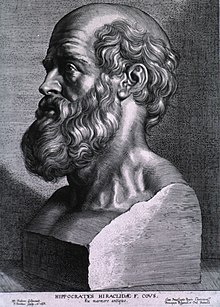
Hippocrates is credited with defining
the first ethical standard in medicine: "Do no harm." Medical
students these days swear something along those lines, but what happens when
the only way to heal your patient is through first, in some way, harming them?
Monty is a 29 year
old patient who has pneumonia and is in intensive care. He’s
hooked to a ventilator that is breathing
for him and is heavily sedated so he isn’t
irritated by the breathing tube in his throat. There are many risks to
treatment like this, so his carers would like to get him off the ventilator as
soon as possible. When Monty has
improved enough, his sedation is halted and he is woken up. The next stage for
him is to wear a breathing mask until he is able to breathe by himself again.
There is a problem. Monty is autistic, has learning difficulties and doesn’t speak. He dislikes change in his life and as his carer says “Monty typically reacts by wanting to investigate and seek the rules for which parts of that he can order to his own satisfaction, so we expected him to open and close doors, we expected him to turn lights on and off, we expected him to unintentionally disrupt lines and tubes.” His carer is correct. As soon as Monty wakes up and has the mask put on his face, he pushes it away. He continues to do this until his carers start to fear for his life and re-sedate him. There is also danger in this though, if Monty is left sedated for too long he might contract pneumonia again. He is unable to cough with the tube in his throat to clear his throat of mucus and anything else in his throat. There may also be physical damage to his trachea and voice box. His lung muscles will weaken and Monty will be unable to breathe without a ventilator.
Monty has human rights, and although he doesn’t understand what the breathing mask was put on him for, he clearly doesn’t want it there. Should he be allowed to make the decision though he has little understanding of the situation and not wearing the mask will put his life at risk, or should the staff decide that he does not have the capacity to make his own decisions and physically restrain him and agitate him to save his life?
For more information on this topic listen to the debate on BBC Radio 4: Inside the Ethics Committee where Joan Bakewell and a panel of medical and ethical experts discuss Restraining Patients in Intensive Care and Monty’s Dilemma.

In m opinion, I think the staff should give him the treatment by any means possible; he may not want it, but needs it. It is part of the Hippocratic oath that doctors must try and preserve life and rather than taking it away. Seeing as he has been diagnosed with severe mental disabilities, how can he possibly know the consequences of the choice he is making for himself?
ReplyDeleteHowever, evey human has a right to life and this treatement may leave Monty with an extremely poor quality of life. As a religious person, I sincerly believe that only God has the right to give life and take it away and that life should always take precedence over even the most painful of illesses as part of this worldly 'test', but in our modern society people are having a greater control over their life choices and these issues are becoming more and more controversial every day.
At the end of the day, each person has a right to choice and measures are being to ensure these are made known to them.
Therefore, I propose,that if Monty is not deemed capable enough to making this descision alone, why not consult those who know Monty well, such as his family and family doctor?
Surely they will make the right choice regarding his welfare and are trustworthy enough to communicate on his behalf?